ANWYN
HOWARTH
The Amber Hunters
Technogeographies 3A
16-01-2024
Forty million years ago, Northern Europe was populated by abundant, subtropical pine forests. Major tectonic activity in the Earth’s surface during the Eocene levelled these forests, resulting in an excess production of coniferous tree resin. This resin was left to petrify on the forest floor before it was submerged during the Ice Age. The large quantities of ice melted and later collected in what is today the Baltic Sea, covering an archive of prehistoric ecology, perfectly preserved in amber.
Since the Stone Age, amber has been traded as a valuable commodity, opening the possibility for the first trade route between Northern and Southern Europe - The Amber Road. In the months of November and December, winter storms dislodge amber from the seabed, where it then washes up on the shore and is collected by amber hunters. To this day, cities adjacent to the Baltic Sea enjoy commercial prosperity. But a new kind of disruption to the seabed is changing how amber is collected.
Since the Stone Age, amber has been traded as a valuable commodity, opening the possibility for the first trade route between Northern and Southern Europe - The Amber Road. In the months of November and December, winter storms dislodge amber from the seabed, where it then washes up on the shore and is collected by amber hunters. To this day, cities adjacent to the Baltic Sea enjoy commercial prosperity. But a new kind of disruption to the seabed is changing how amber is collected.
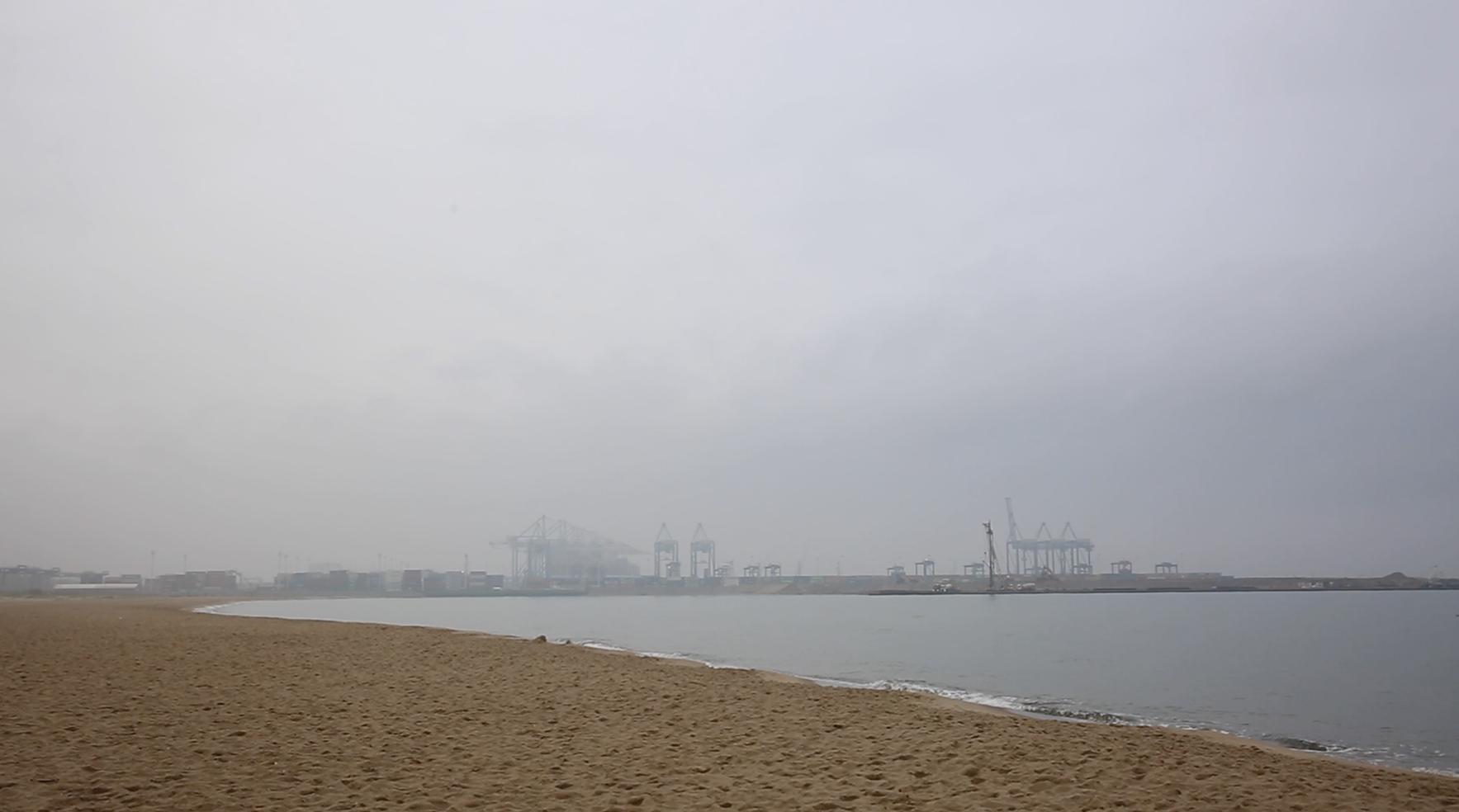
The Baltic Sea is a major shipping route and one of the busiest, accounting for 15% of the world’s maritime traffic. As natural processes cause sand to pile across these shipping routes, dredger ships are employed to remove sand from the seabed and deposit it on increasingly popular tourist beaches.
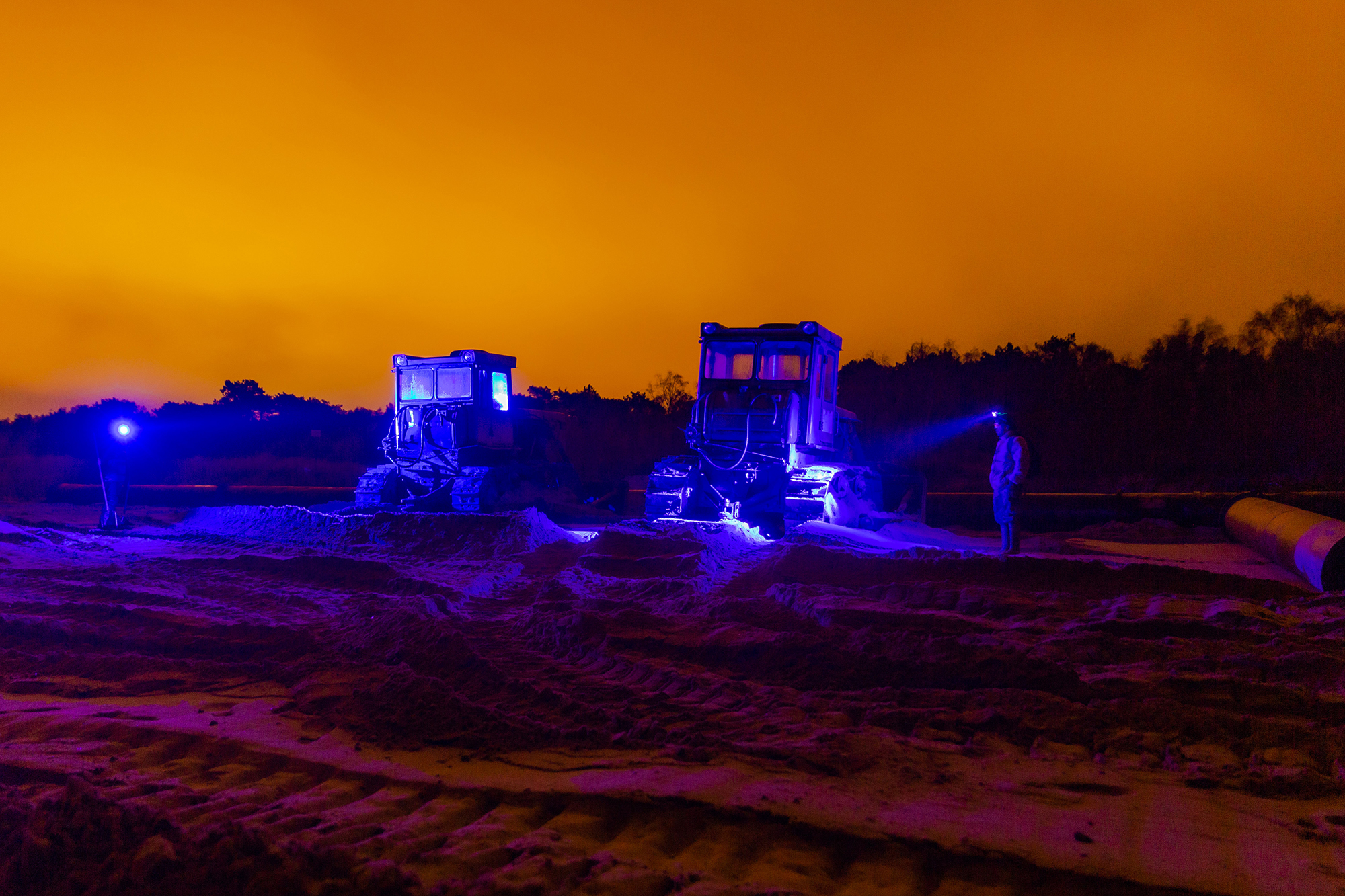
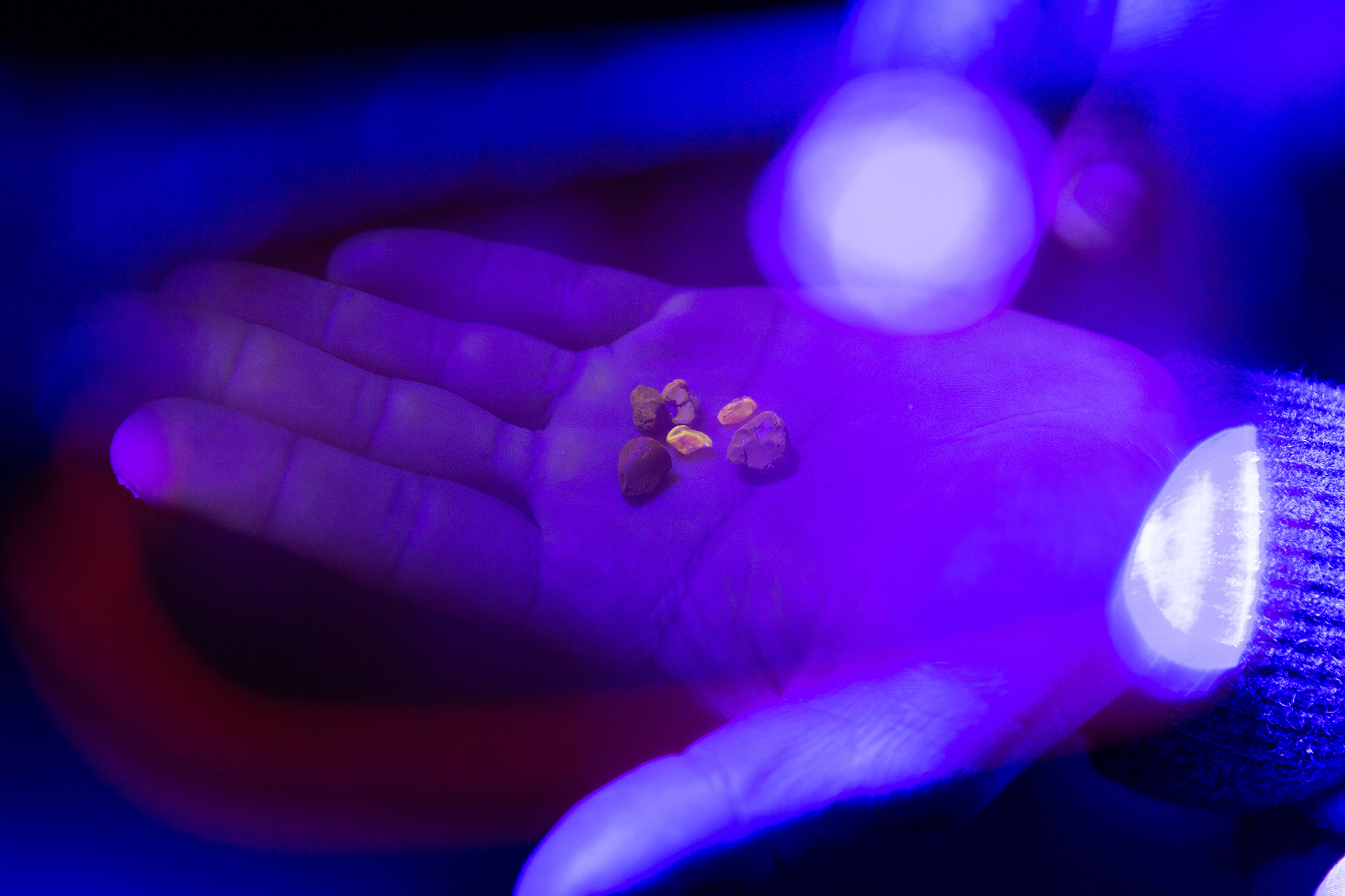
Communities of amber hunters are tracking these dredging activities, locating sites along the coast where silt is deposited by night through pipes. Amber is photo luminescent, meaning it fluoresces yellow under ultraviolet light and is more easily spotted in the dark. Access to the necessary black light headsets is covert and requires insider connections, as this form of amber extraction is not yet regulated and falls in the grey area of what is considered legal by the International Amber Association.
Communities of amber hunters are tracking these dredging activities, locating sites along the coast where silt is deposited by night through pipes. Amber is photo luminescent, meaning it fluoresces yellow under ultraviolet light and is more easily spotted in the dark. Access to the necessary black light headsets is covert and requires insider connections, as this form of amber extraction is not yet regulated and falls in the grey area of what is considered legal by the International Amber Association.

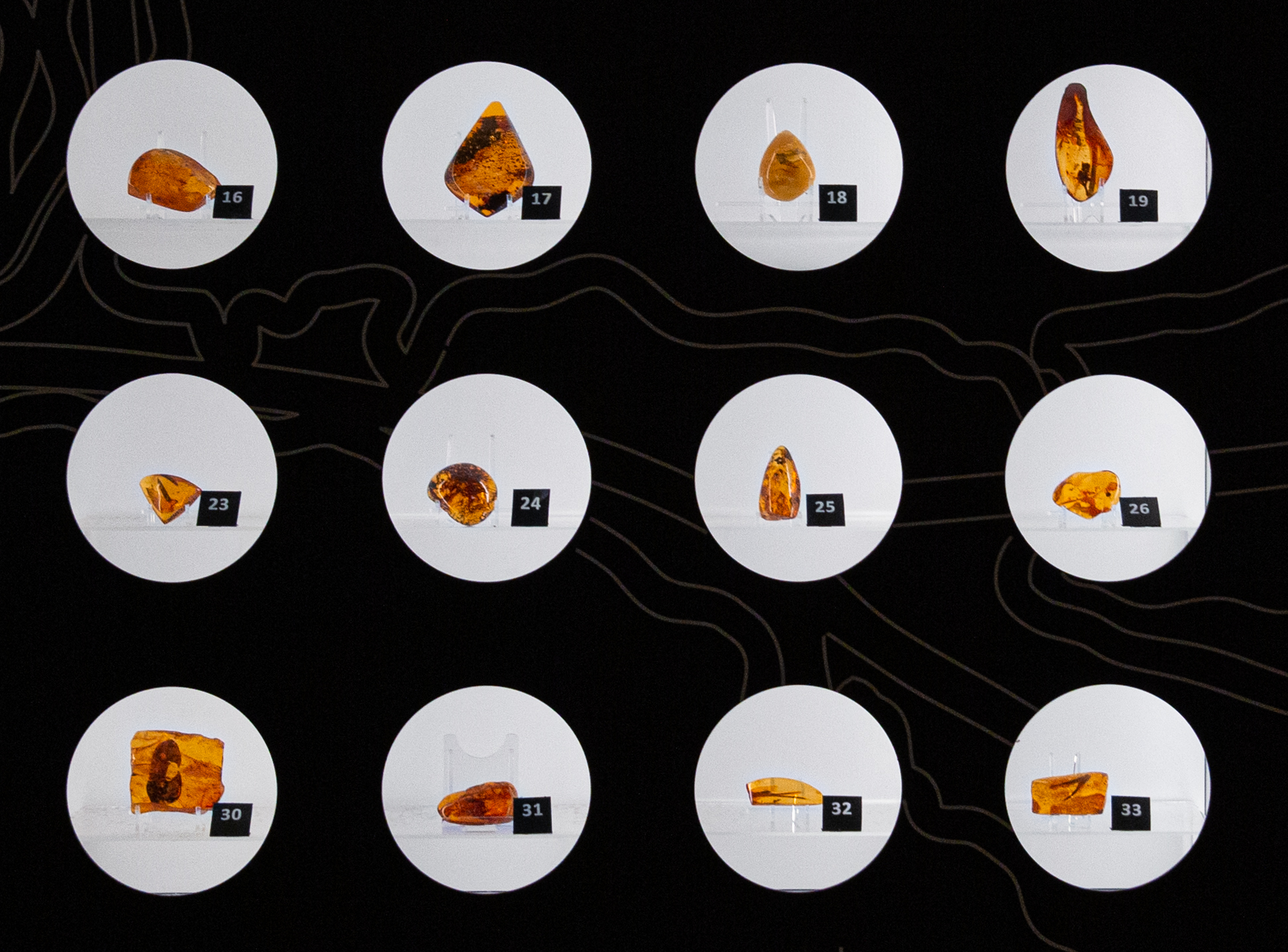
At the Amber Museum in Gdansk, the evolving symbiosis between sea dredgers and amber hunters remains undocumented, raising questions about the responsibility of institutions in mediating ecological knowledge amid legal ambiguity.